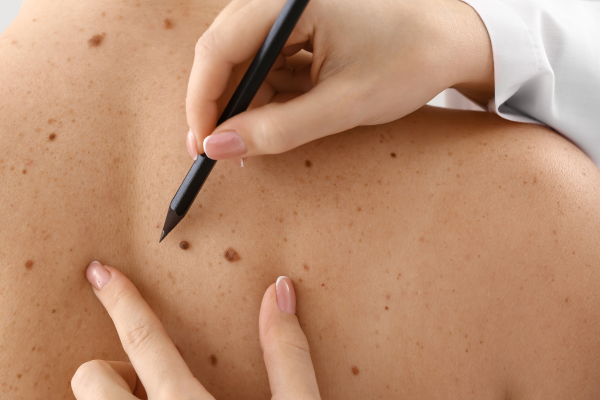
Your skin is your body’s largest organ, and it deserves expert care. In Georgia, where sunny days are abundant and outdoor living is part of the culture, regular skin checks with a board-certified dermatologist are essential for early detection of skin cancer, prevention of serious conditions, and peace of mind.
At Georgia Skin Cancer and Aesthetic Dermatology, we help patients understand when it’s time to see a dermatologist for a comprehensive skin evaluation.
Why Regular Skin Checks Matter
Skin cancer is the most common form of cancer in the United States, and Georgia residents face an increased risk due to high sun exposure throughout the year. A professional skin cancer screening can identify suspicious moles, atypical growths, and early signs of melanoma long before symptoms are visible or problematic.
Annual skin checks are considered a standard of preventive care, especially for individuals with elevated risk factors.
Who Should See a Dermatologist for a Skin Check?
Not everyone schedules regular skin exams, but certain people should prioritize them:
- Adults over age 18: At a minimum, schedule an annual check.
- People with fair or sun-sensitive skin: Lighter skin has a higher risk for UV damage.
- Individuals with a history of sunburns, especially blistering burns during childhood or adolescence.
- Patients with many moles or atypical moles: More than 50 moles increase the risk.
- Those with a personal or family history of skin cancer: Genetics matter.
- Immunocompromised individuals: Weakened immune systems can increase your risk of developing skin cancer.
How Often Should You Get a Skin Check?
Most patients benefit from once-a-year skin checks, but our dermatology providers may recommend more frequent visits based on your personal risk profile. High-risk patients may need exams every 3–6 months.
What Happens During Your Skin Check?
During a professional skin exam, your dermatologist will:
- Review your medical history and risk factors
- Examine your skin from head to toe
- Evaluate moles and spots for asymmetry, border irregularity, color changes, diameter changes, and evolution (ABCDE criteria)
- Recommend biopsies if needed
- Offer sun safety guidance and follow-up schedules
Signs You Should Schedule a Skin Check Sooner
Don’t wait for your annual visit if you notice any of the following:
- New skin growths
- Moles that change size, color, or shape
- Sores that don’t heal
- Itchy, bleeding, or painful areas
- Red patches or scaliness
Early detection saves lives, especially with melanoma and other aggressive skin cancers.
Tips for Sun Protection in Georgia
Georgia’s sunshine is beautiful, but it can accelerate skin aging and damage. Protect your skin by:
- Applying SPF 30+ sunscreen daily
- Wearing protective clothing and wide-brim hats
- Avoiding peak sun hours (10 AM–4 PM)
- Reapplying sunscreen every 2 hours outdoors
Frequently Asked Questions
Q: At what age should I start getting skin checks?
A: Most dermatologists recommend beginning annual skin exams in early adulthood, especially if you have risk factors such as fair skin or a family history of skin cancer.
Q: Are skin checks covered by insurance?
A: Many insurance plans cover annual skin cancer screenings. Check with your provider or our office for details on coverage.
Q: How long does a skin check take?
A: A thorough skin exam usually takes about 15–30 minutes, depending on your medical history and findings.
Q: What’s the difference between a mole and melanoma?
A: Moles are common skin growths. Melanoma is a dangerous form of skin cancer. Dermatologists evaluate features to differentiate and recommend biopsies if needed.
Regular skin checks in Georgia are more than routine; they are lifesaving. Schedule your appointment with Georgia Skin Cancer & Aesthetic Dermatology today and take control of your skin health.