
Eczema & Atopic Dermatitis Treatment in Georgia
Eczema (atopic dermatitis) is a chronic, inflammatory skin condition characterized by dry, intensely itchy, red, and sensitive skin. It is driven by a combination of genetic factors such as skin barrier dysfunction, transepidermal water loss (TEWL), and immune system hypersensitivity. When the skin’s protective lipid barrier is compromised, moisture escapes easily, allowing environmental irritants, allergens, and bacteria to penetrate and trigger painful flare-ups. At Georgia Skin Cancer & Aesthetic Dermatology, our board-certified dermatologists provide comprehensive diagnostic evaluation and advanced treatment plans across our Georgia practice locations.

What Are Common Eczema Symptoms?
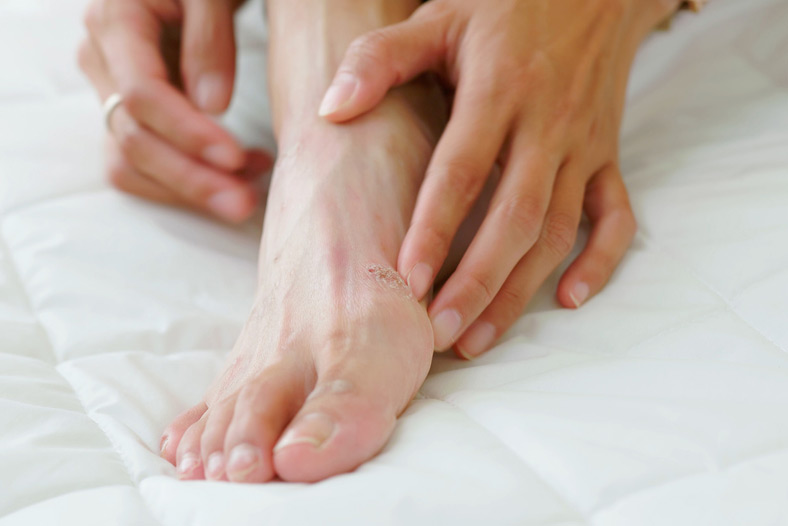
Eczema is a chronic skin disorder that can cause the skin to become red, itchy, dry, and irritated. Due to frequent scratching or inflammation, the skin may often appear scaly, cracked, or thickened. Some people experience small, raised bumps that may leak fluid when scratched, while others notice patches of skin that become rough and discolored over time.
While eczema can appear anywhere on the body, it is most commonly seen on the hands, feet, inner elbows, back of the knees, neck, and face. The severity and appearance of symptoms can vary from person to person. Some patients’ eczema symptoms come in cycles, with flare-ups triggered by weather changes, stress, allergens, harsh soaps, or certain fabrics.
Understanding what causes your symptoms is a key part of eczema treatment. Our dermatologists evaluate your skin, lifestyle, and health history before developing a personalized skin care plan.
Common Types of Eczema We Treat
Eczema manifests in several distinct clinical forms, each requiring tailored management:
- Atopic Dermatitis: The most common chronic form, typically presenting in flexural areas (crook of the elbows, behind the knees, and neck) with severe pruritus (itching) and lichenification (thickened skin from chronic rubbing).
- Dyshidrotic Eczema: Characterized by small, intensely itchy, fluid-filled blisters (vesicles) along the sides of the fingers, palms, and soles of the feet.
- Nummular Eczema: Appears as distinct, coin-shaped (nummular) itchy or crusty lesions, often triggered by severe dry skin or minor skin injuries.
- Contact Dermatitis: Occurs when direct exposure to an irritant or allergen (such as fragrances, metals, or harsh detergents) induces an acute eczematous flare. • Seborrheic Dermatitis: Causes greasy, scaly patches and persistent redness on oily areas of the body, including the scalp (dandruff), eyebrows, and central face.
Eczema Diagnosis and Personalized Treatment Plans
Our approach to eczema care begins with a thorough evaluation to confirm the diagnosis and rule out other skin conditions. From there, we create a treatment plan tailored to your skin’s needs, considering the severity of your eczema, the areas affected, and any known triggers.
- Skin Barrier Restoration: Heavy emollients, ceramide-rich moisturizers, and gentle bleach baths to repair the epidermal barrier and control bacterial colonization (Staphylococcus aureus).
- Targeted Topical Therapies: Prescription Topical Corticosteroids (TCS), non-steroidal Topical Calcineurin Inhibitors (tacrolimus, pimecrolimus), and PDE4 inhibitors (crisaborole) to calm acute inflammation.
- Phototherapy (Light Therapy): Controlled Narrowband UVB (NB-UVB) phototherapy exposure to suppress cutaneous immune activity for moderate, widespread eczema.
- Advanced Biologics & Systemic Medications: Targeted biologic therapies (IL-4 and IL-13 signal inhibitors) and oral JAK inhibitors that precisely block the internal inflammatory cascades responsible for chronic moderate-to-severe eczema.
Many patients benefit from a consistent skincare routine that includes gentle cleansing and daily moisturizing to help restore the skin’s natural barrier. For flare-ups, topical medications such as corticosteroids or non-steroidal creams may be prescribed to help calm inflammation and relieve itching.
We may recommend advanced treatment options if your eczema is more persistent or widespread. Phototherapy, a controlled form of ultraviolet light therapy, can be effective for moderate cases. For more severe eczema, we may discuss systemic treatments or biologic medications that target the immune system and help reduce the frequency and severity of flare-ups.
Our team will guide you throughout your care in recognizing potential irritants or allergens, adjusting your skincare routine, and making lifestyle modifications to support skin healing.
Eczema Care You Can Trust in Georgia
Choosing the right eczema specialist can significantly improve the management of your symptoms. Our dermatology team combines clinical excellence, advanced treatment techniques, and a warm, patient-focused approach.
We understand that eczema is not just a skin condition—it can impact your sleep, confidence, and quality of life. That’s why we’re here to provide expert guidance and support, from your first consultation to every step of your treatment journey.
Whether you’re newly diagnosed or struggling with recurring symptoms, we offer effective and compassionate eczema treatment in Georgia. Our goal is to help you feel comfortable in your skin again.
Schedule a Consultation for Eczema Treatment in Georgia
Georgia Skin Cancer & Aesthetic Dermatology is here to help if you’re looking for an eczema specialist near you. With convenient locations and a team of experienced dermatologists, we offer personalized eczema treatment plans designed to reduce symptoms, restore skin health, and improve overall well-being.
We invite you to schedule an appointment today to take the first step toward lasting eczema relief. Contact us by phone or use our online booking tool to find a time that works for you. We’re here to help you achieve healthier, more comfortable skin—because you deserve to feel good.
Frequently Asked Questions About Eczema
What Causes Eczema and Who Gets It?
Eczema, also known as atopic dermatitis, is a chronic skin condition that causes red, itchy, and inflamed patches. It develops from a combination of genetic, environmental, and immune system factors. When the skin barrier becomes weakened, it allows moisture to escape and irritants to enter, triggering inflammation. While eczema is common in children, it can affect individuals of any age.
How Is Eczema Diagnosed and Evaluated?
A dermatologist diagnoses eczema by reviewing your medical history, examining the affected skin, and discussing possible triggers such as allergens, irritants, or stress. In some cases, patch testing or allergy evaluations may be recommended to identify specific substances that worsen symptoms.
What Are the Treatment Options for Eczema?
Treatment depends on the severity of the condition and your individual triggers. Dermatologists often recommend topical therapies such as moisturizers, corticosteroids, or calcineurin inhibitors to reduce inflammation. For moderate to severe eczema, oral or injectable medications may be used. Long-term care also includes avoiding known irritants, maintaining proper hydration, and following a personalized skin care plan developed with your dermatologist.