
Comprehensive Psoriasis & Psoriatic Arthritis Care in Georgia
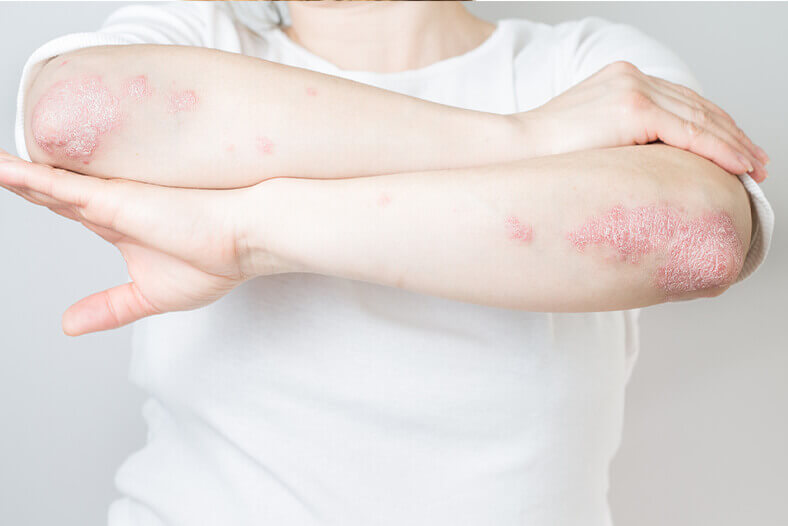
Psoriasis is a common and chronic skin condition in which new skin cells are produced more rapidly than normal and do not shed as quickly, therefore causing dead skin cells to accumulate on the surface of the skin. This accumulation of skin cells causes the formation of dry, itchy, red patches or thick, scaling plaques that can be painful.
There is no definitive cure for psoriasis; however, there are many treatment options that can provide relief from some or all of the symptoms.
At Georgia Skin Cancer & Aesthetic Dermatology, we offer numerous treatment options depending on the type, severity, and location of your psoriasis. We will work with you to develop a treatment plan that obtains the best results possible. To schedule a consultation with one of our expert dermatologists about your psoriasis, call us today at (706) 543-5858 or use our convenient online Book Appointment form.
Common Types of Psoriasis We Treat
Psoriasis manifests in several distinct clinical forms, each requiring specialized management. A few types include:
-
Plaque psoriasis
-
Guttate psoriasis
-
Pustular psoriasis
PLAQUE PSORIASIS
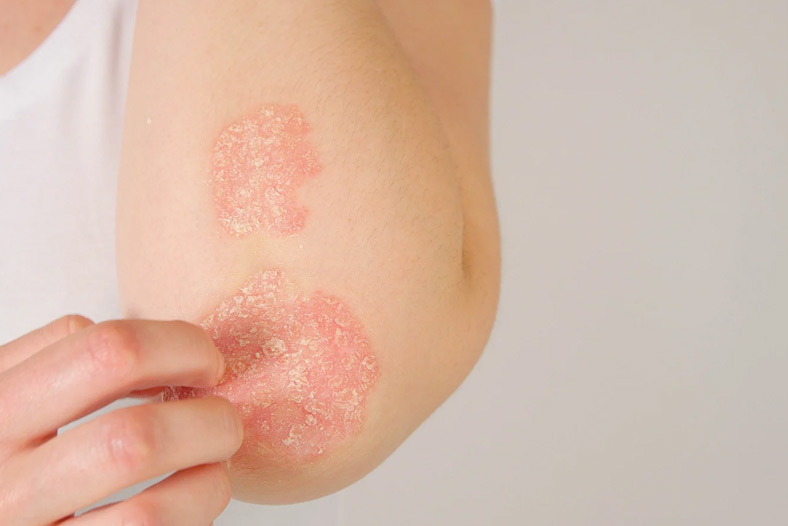
Plaque psoriasis is the most common type and appears on the skin as dry, raised, red patches with silvery scales. Guttate psoriasis is usually triggered by a bacterial infection such as strep throat, and appears as small, drop-shaped lesions on the scalp, trunk, arms, and legs. Pustular psoriasis is a more uncommon type and appears on the skin as pus-filled or blister-like lesions. This type of psoriasis can occur all over the body or be found in small areas on the hands and feet.
Although psoriasis is a chronic (long-lasting) disease, you may experience times when your psoriasis symptoms worsen or improve, depending on various factors such as cold weather, smoking, infection, or a high level of stress. Psoriasis can also lead to the development of psoriatic arthritis in about 10-30% of patients. Symptoms of psoriatic arthritis include pain, stiffness, and swelling of the joints.
Systemic Connection: Psoriatic Arthritis
Up to 30% of individuals with psoriasis develop psoriatic arthritis (PsA), an inflammatory joint condition causing joint pain, morning stiffness, and swelling (dactylitis or “sausage digits”). Early dermatological intervention is crucial to identify joint involvement and initiate systemic therapies before permanent joint damage occurs.
Modern Psoriasis Treatment Pathways
Treatment selection depends on disease severity, affected body surface area (BSA), and joint involvement:
- Topical Therapies (Mild to Moderate): Prescription corticosteroid ointments, vitamin D analogs (calcipotriene), topical retinoids, and non-steroidal calcineurin inhibitors.
- Targeted Phototherapy (Moderate): Narrowband UVB (NB-UVB) light exposure to calm localized immune activity in the skin.
- Systemic & Biologic Therapies (Moderate to Severe): Advanced targeted medications including IL-17, IL-23, and TNF-alpha inhibitors that precisely block the immune pathways driving chronic skin inflammation and joint damage.
Frequently Asked Questions About Psoriasis
What Is Psoriasis and How Does It Develop?
Psoriasis is a chronic immune-mediated skin disease characterized by thick, red, scaly patches. It develops when the immune system signals prompt skin cells to reproduce at an accelerated rate, resulting in a buildup of cells on the skin surface. Though its precise cause is unclear, genetic predisposition and environmental triggers such as stress, infections, or certain medications can play a role.
How Is Psoriasis Diagnosed and Assessed?
A dermatologist diagnoses psoriasis by examining the skin, scalp, and nails and reviewing your medical history and symptoms. Your provider may ask about family history and possible triggers. In some cases, a skin biopsy or laboratory tests may be ordered to rule out other conditions and confirm the diagnosis.
What Treatment Options Are Available for Psoriasis?
Treatment is personalized based on severity, location, and patient factors. For mild to moderate psoriasis, topical therapies such as corticosteroids, vitamin D analogs, or retinoids are often used. Phototherapy may be helpful when large skin areas are involved. In moderate to severe cases, systemic or biologic medications may be recommended to modulate the immune response. Long-term disease management also involves identifying and avoiding triggers, maintaining good skin care, and working closely with your dermatologist to monitor response and adjust therapy.