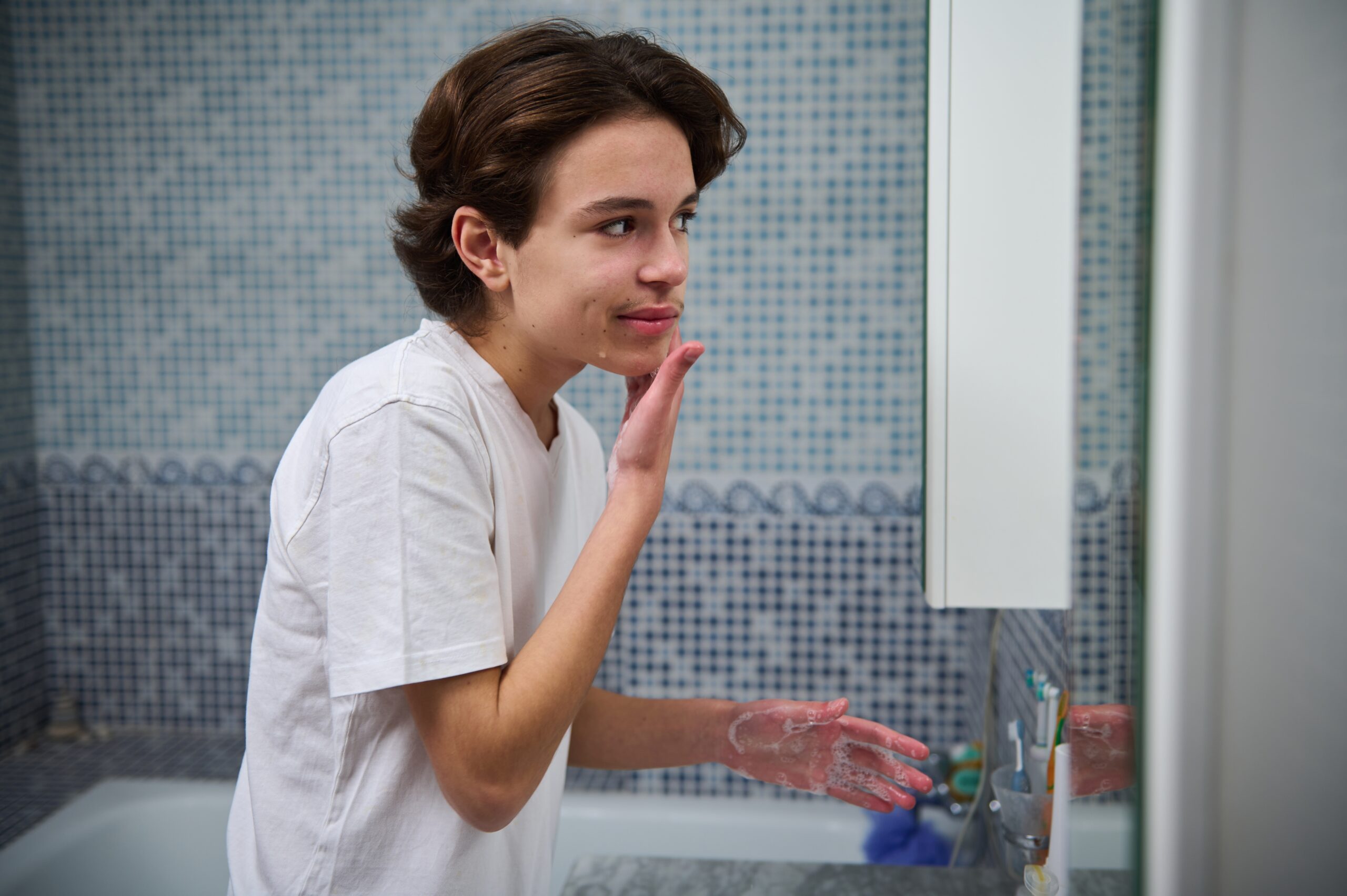
- Over-the-counter washes often fail when deep hormonal shifts trigger persistent inflammation below the surface of the skin.
- Early medical intervention can help prevent permanent physical scarring and support self-confidence before a new school year begins.
- A qualified specialist will evaluate individual skin health to determine the ideal personalized care plan for your teenager.
Navigating breakout struggles during adolescence can be frustrating for both teenagers and parents attempting to find working solutions on drugstore shelves. Georgia Skin Cancer and Aesthetic Dermatology offers comprehensive medical care across Georgia, bridging advanced clinical expertise with compassionate, patient-centered support.
While mild surface congestion often responds to basic cleansers, persistent or deep inflammatory blemishes require professional medical evaluation. Knowing when to transition from retail products to specialized medical care may protect your teenager from long-term tissue damage and emotional distress. Our board-certified team is dedicated to guiding local families toward clear, healthy skin with safe and effective clinical protocols tailored to individual needs.
Why Wait and See Causes Scars
Waiting for persistent blemishes to resolve on their own can lead to irreversible textural changes across delicate facial skin. Deep inflammatory lesions damage supporting collagen structures within dermal layers, creating pitted or raised marks that become far more difficult to treat later in life.
Prompt medical evaluation may reduce active swelling and minimize the risk of permanent scarring before deeper tissue damage occurs. Addressing skin health early also protects emotional wellness and self-confidence during critical school and social developmental years.
When retail cleansers fail after several weeks of consistent use, consulting a specialist provides a proactive path toward long-term skin health and clear complexion.
Topicals vs. Oral Antibiotics vs. Isotretinoin
When retail options don’t work, clinical dermatologists evaluate several advanced therapeutic options tailored to specific acne types. Prescription topicals, such as medical-grade retinoids or antimicrobial formulations, can help unclog pores and reduce surface bacteria.
For moderate to severe inflammatory conditions, temporary oral antibiotics may assist in calming deep redness and painful swelling under medical supervision. In severe or persistent cases that resist traditional care, oral isotretinoin might be considered to address oil gland activity at its root cause.
Rather than relying on online information or self-diagnosing at home, remember that a qualified medical professional will ultimately decide what treatment option or service is going to be best for the patient based on a thorough clinical examination.
Building a Routine Your Teen Will Actually Use
Complex ten-step routines are rarely successful for busy adolescents balancing schoolwork, athletics, and active social schedules. A successful daily regimen should remain simple, consistent, and easy to maintain every morning and night.
Our specialists emphasize a gentle cleanser, a targeted prescription acne medication, a lightweight oil-free moisturizer, and daily broad-spectrum sun protection. Incorporating daily sun safety is particularly essential, as many specialized prescription options increase skin sensitivity to ultraviolet rays.
Establishing simple, manageable habits early can help teenagers maintain clear skin, prevent future breakouts, and build healthy lifelong habits.
Schedule a Professional Consultation
Frustrated with drugstore products that fail to deliver results? You can book an appointment with our experienced clinical team today to start a customized teen acne treatment plan that works.
Image credit: // Shutterstock // Taras Grebinets