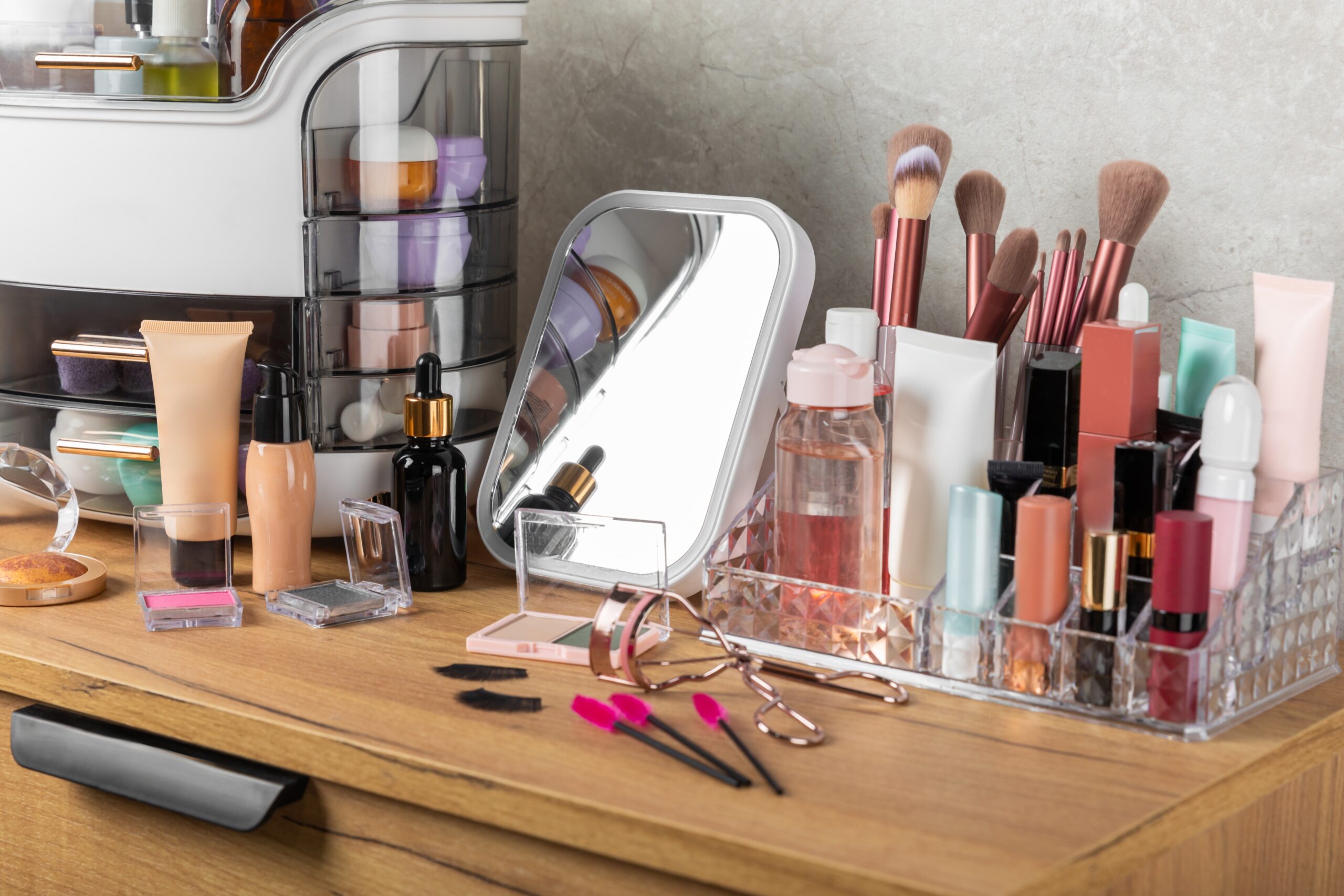
- The PAO symbol indicates when it’s time to toss your products. Hint: it may be sooner than you think.
- During the spring, you may want to switch to a lighter moisturizer to keep your skin looking and feeling its best.
- Your sunscreen can expire. Make sure you know when to toss it.
The arrival of spring often means getting quickly into the cleaning groove. As you’re checking items off that spring To Do list, don’t forget about your skincare routine! Not only does the arrival of spring mean the perfect time to get rid of products that you’re no longer using, have expired, or might no longer work the same way you anticipated, but it’s also a great time to make some simple ingredient swaps that can help protect your skin long-term.
The “PAO” Symbol: When to Toss Your Products
The PAO Symbol defines a “period after opening” during which your skincare products are still good to use. It will usually be followed by a number and an M: 6M, 12M, 18M, and so on. This tells you how many months you have after opening a product before you need to toss it. Typically, this symbol is found on the back of the product, near the ingredients list.
The PAO duration may be significantly different from the expiration date on the product. While the expiration date indicates how long the product will remain viable when stored on the shelf unopened, the PAO governs the period after you’ve broken the seal. Once it’s open, some ingredients may degrade faster. Depending on the type of product and how you use it, you may also need to consider potential bacterial contamination.
Why You Need a Lighter Moisturizer for Spring
During the winter, many people choose to switch to a heavier moisturizer. Not only is the air dryer during the cold winter months, but you may also find that running the heat constantly decreases indoor humidity, leading to dryer air and, as a result, dryer skin.
Then spring arrives–and that means it’s often time to switch back. Increased humidity and warmer temperatures may mean that your skin is keeping more of its natural oils. Using your heavy winter moisturizer can lead to clogged pores, greasy skin, and a heavy feeling you can’t quite shake. Using a lighter moisturizer instead is often much more comfortable and effective, and helps prevent breakouts. While you’re swapping out your moisturizer, check that PAO: if it will go bad before winter arrives again, you can go ahead and clean it out of your cabinet.
Is Your Sunscreen Still Effective?
As spring arrives, you may be spending more time outdoors. Outdoor time means using sunscreen to help protect your skin. However, before you slather it on, make sure that it’s still going to do what you want it to do. The FDA requires sunscreen to remain effective for at least three years after manufacturing. However, sunscreen absolutely can expire.
Step one: check the expiration date. If it’s out of date, don’t take the chance–go ahead and buy a new sunscreen instead. If it is still in date, check for these signs:
- Changes in color or consistency
- An “off” smell
- Strange textures, including a sandy or gritty feeling in mineral sunscreen
If you notice any of those signs, it’s time to clean out that old sunscreen and invest in new products.
Need a Product Refresh?
As you’re going through your cabinets and refreshing your skincare, you may realize it’s time to refresh or replace many of the products you’ve used for a long time. Fortunately, we’re here to help. Stop by our office to check out our medical-grade skincare products recommended by experts, or book an appointment to learn how to select the best skincare products for your skin, age, and time of year.
Image credit: // Shutterstock // Avocado_studio