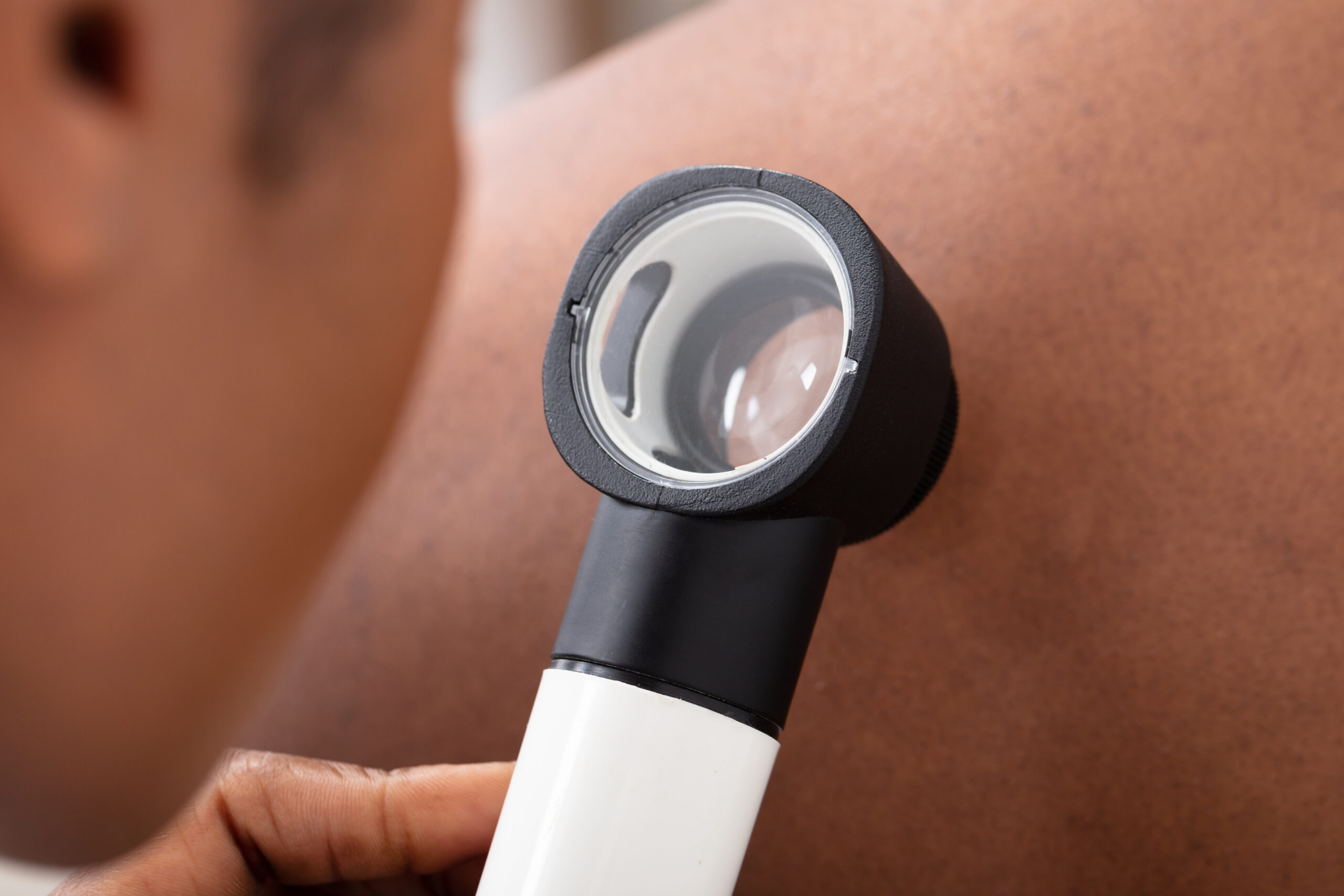
- Men frequently develop skin cancer on the ears, scalp, and neck because these areas are often missed during sunscreen application.
- The left side of the face and the left arm are high-risk zones due to cumulative sun exposure while driving.
- Regular self-examinations and professional skin checks are vital for early detection and successful treatment of melanoma.
Skin health is a critical component of overall wellness, yet it is frequently overlooked in daily routines. Georgia Skin Cancer and Aesthetic Dermatology emphasizes the importance of vigilance, especially for men who statistically face a higher risk of developing and dying from melanoma than women. While many people remember to apply protection to their chest or back, several vulnerable areas remain exposed during common outdoor activities like yard work or a morning on the golf course. Understanding where these risks hide is the first step in prevention.
The Driver Side Risk: Left Arm and Face
Many men do not realize that their daily commute contributes significantly to their total sun exposure. Glass in car windows effectively blocks most UVB rays, but UVA rays can still penetrate and damage the skin. This leads to a phenomenon often seen in our clinics, where the left side of the face and the left arm show more advanced signs of aging and a higher frequency of skin cancers.
When you are behind the wheel, the sun beats down on your left side for extended periods. This cumulative exposure adds up over years of driving to work or running errands. To combat this, it is essential to apply a broad-spectrum sunscreen even if you plan to be inside a vehicle for the majority of the day. Keeping a bottle of sunscreen in the center console can serve as a helpful reminder to protect your skin before you start the engine.
Why the Tops of Ears are High Risk
The ears are one of the most common sites for squamous cell carcinoma and basal cell carcinoma in men. This is largely because the tops of the ears face directly upward toward the sun and are rarely covered by hair. When applying sunscreen, most people stop at the jawline or the forehead, leaving the delicate cartilage of the ears completely defenseless.
During a long day of yard work or playing eighteen holes, the ears take the brunt of the intensity of the sun. If you prefer wearing a standard baseball cap, remember that it provides no protection for your ears. Transitioning to a wide-brimmed hat can offer significantly better coverage. Additionally, ensuring that sunscreen is rubbed thoroughly into the tops and backs of the ears can prevent painful burns and long-term cellular damage.
How to Check Your Scalp (Or Ask a Partner)
The scalp is a particularly dangerous area for skin cancer because tumors can grow undetected beneath hair. For men with thinning hair or those who shave their heads, the scalp is a primary target for UV radiation. However, even those with a full head of hair can develop issues along the part line or at the crown.
Checking your own scalp can be difficult. We recommend using a hand mirror in a well-lit bathroom to inspect the top of your head and the back of your neck. An even more effective method is to ask a partner or even your barber to look for any new or changing spots, moles that look different from others, or sores that do not heal. Because melanoma on the scalp can be more aggressive, catching it early is paramount.
Haven’t had a check-up in a while? Book a 10-minute skin check-in; it could save your life.
Image credit: // Shutterstock // Andrey_Popov