Rosacea Treatment in Georgia
Dermatologist for Rosacea
What Is Rosacea?
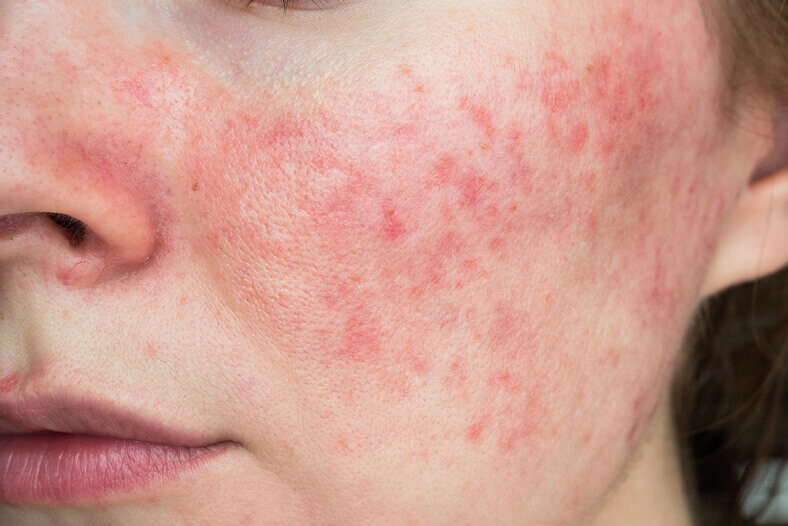
Rosacea is a chronic skin condition that primarily affects the face. It causes redness, visible blood vessels, and, in some cases, acne-like breakouts. This shared concern can significantly impact a person’s confidence and comfort. While the exact cause of rosacea is unknown, triggers like sun exposure, spicy foods, alcohol, and stress can worsen symptoms. If left untreated, individuals with rosacea may experience facial flushing, bumps, and thickened skin.
At Georgia Dermatology, we understand that every case of Rosacea is unique. Our expert dermatologists are committed to providing personalized care to help you effectively manage and reduce symptoms.
Common Symptoms of Rosacea
- Rosacea symptoms vary by individual, but the most common signs include:
- Persistent facial redness, particularly on the cheeks, nose, and forehead.
- Small, red bumps that resemble acne but lack blackheads or whiteheads.
- Visible blood vessels (telangiectasia) appear on the face
- Eye irritation, including dryness and redness (ocular rosacea).
- Thickened skin, particularly on the nose (rhinophyma), can occur in severe cases.
Recognizing these symptoms early is key to receiving adequate treatment and preventing flare-ups.
How Can Georgia Dermatology Help Me Treat Rosacea?
Georgia Dermatology provides advanced, customized treatment options to help patients control their rosacea symptoms and improve their quality of life. Our board-certified dermatologists evaluate the severity of your condition and create a personalized treatment plan to meet your specific needs.
At Georgia Dermatology, we combine clinical expertise with compassionate care to help you regain confidence in your skin. Our commitment to patient-centered dermatology ensures that you receive access to the latest treatment innovations, a supportive environment where your concerns are heard, and ongoing management and monitoring to achieve long-term results.
Personalized Treatment Plans
We understand that no two cases of rosacea are the same. Our team creates individualized treatment plans that may include prescription creams and gels to reduce inflammation and redness, antibiotics, or other oral treatments to control bacterial involvement and reduce flare-ups. Laser therapy can also target visible blood vessels to minimize redness and improve skin texture. Patients will also receive guidance on identifying and avoiding personal triggers, such as certain foods or environmental factors.
Advanced Laser and Light Therapies
Our clinic offers advanced laser therapy options, such as intense pulsed light (IPL) and vascular lasers, to target persistent redness and visible veins. These treatments effectively diminish blood vessel visibility and reduce facial flushing.
Expert Skincare Recommendations
Proper skincare is an essential part of rosacea management. Our dermatologists recommend gentle, non-irritating products specifically formulated for sensitive skin to help reduce irritation and improve skin health.
Get Relief from Rosacea at Georgia Dermatology
If you are struggling with rosacea symptoms, don’t wait for them to worsen. Contact Georgia Dermatology today to schedule a consultation. Our dedicated team is here to provide expert diagnosis and effective treatment options so you can enjoy clearer, healthier skin.
Frequently Asked Questions About Rosacea
What Is Rosacea and What Are Its Typical Symptoms?
Rosacea is a chronic skin condition that predominantly affects the central face, causing persistent redness, flushing, visible blood vessels, and sometimes bumps or pimples. Many people also experience burning or stinging sensations, dry skin, and thickening of facial features over time. Though it can affect anyone, onset commonly occurs in adults between 30 and 50 years old.
How Is Rosacea Diagnosed and Classified?
A dermatologist makes a diagnosis by examining your skin and reviewing your medical history, including symptom patterns and triggers. There is no definitive lab test; diagnosis is clinical. Dermatologists may use subtype classifications (such as erythematotelangiectatic, papulopustular, phymatous, or ocular rosacea) to tailor treatment strategies based on the features you present.
What Treatment Options Are Available for Rosacea?
Treatment depends on the rosacea subtype and severity. Topical therapies—such as antibiotics, anti-inflammatory agents, or azelaic acid—are first-line for mild to moderate cases. Laser and light-based treatments can reduce visible blood vessels and redness. For more persistent or severe disease, oral medications may be prescribed. Long-term management also includes identifying and avoiding personal triggers (such as sun exposure, spicy foods, alcohol, or temperature extremes) and practicing gentle skincare habits.