Rosacea is a chronic skin condition that goes beyond occasional flushing, causing persistent redness and visible broken capillaries. This can affect self-confidence and quality of life. For those exploring skin treatments, you’ll need to learn to differentiate between temporary and permanent redness. Laser therapy offers a targeted solution by addressing the broken capillaries responsible for ongoing redness, providing both aesthetic and medical benefits. Explore the nuances of rosacea and why laser treatment is an effective option for managing persistent redness, guiding you toward clearer, healthier skin.
Why Your Face Stays Red: Understanding Rosacea
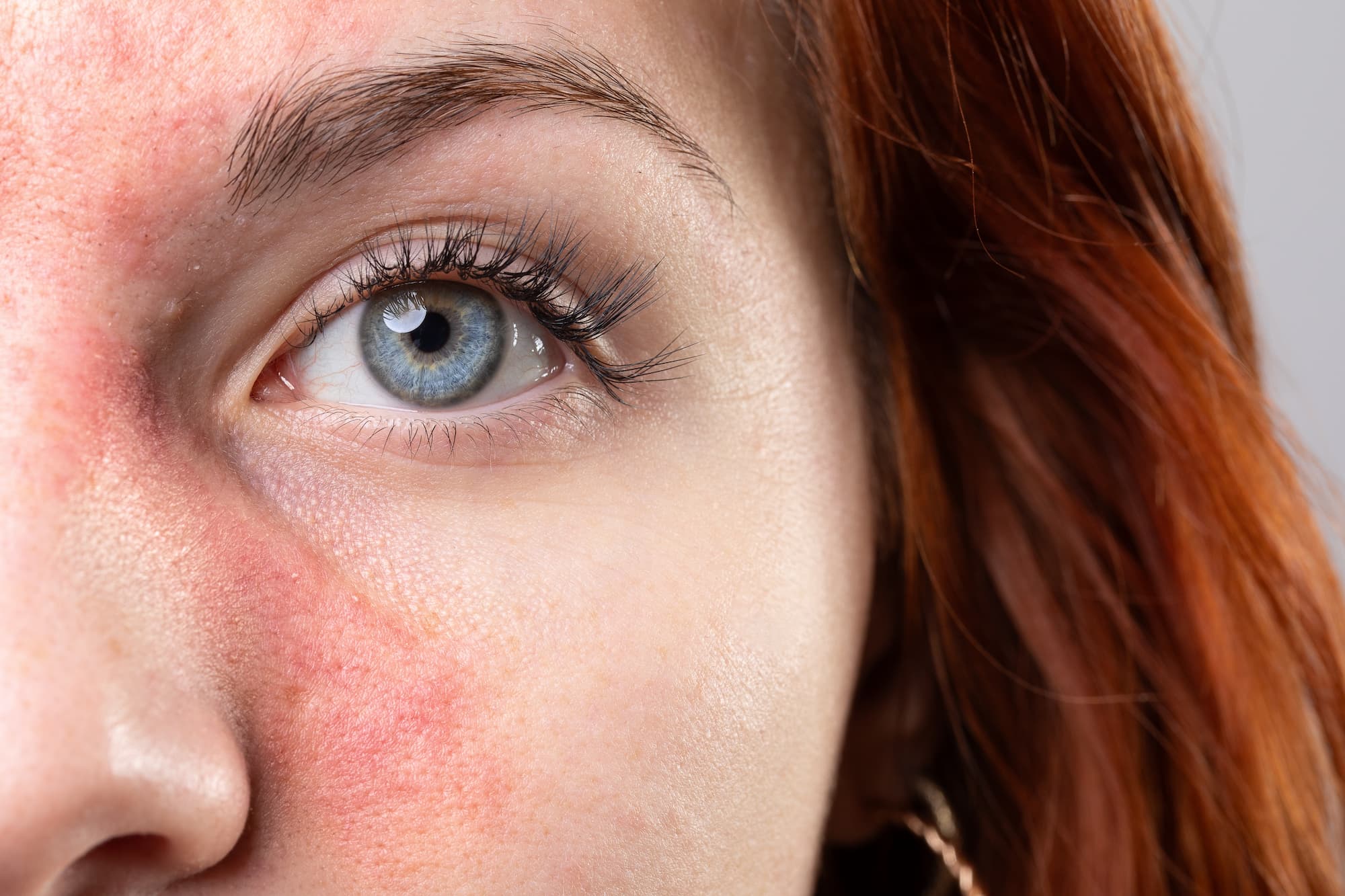
Rosacea isn’t just about occasional blushing; it’s a chronic condition that leads to ongoing facial redness. This redness can be due to temporary flushing or more permanent discoloration from broken capillaries. Temporary flushing occurs in response to triggers such as heat, stress, or spicy foods and usually fades once the trigger is gone. In contrast, the permanent redness in rosacea results from small blood vessels under the skin becoming dilated and damaged.
These broken capillaries are visible and contribute to the persistent redness typical of rosacea. Unlike temporary flushing, this redness doesn’t go away on its own and can worsen over time if not treated. Recognizing this difference is helpful for those looking for effective treatments. While lifestyle changes and topical treatments can help manage flushing, they often don’t address the underlying vascular issues that cause the ongoing redness. This is where laser therapy comes in, offering a focused solution to reduce the appearance of broken capillaries and even out skin tone.
How Laser Treatment Targets Broken Capillaries
Laser therapy is a precise and effective way to tackle the broken capillaries that cause persistent redness in rosacea. By focusing a concentrated beam of light on the hemoglobin in blood vessels, the laser causes these vessels to coagulate and eventually be absorbed by the body, reducing visible redness.
One major advantage of laser treatment is its ability to target specific blood vessels without harming surrounding skin. This precision minimizes side effects and speeds up recovery. Many patients notice a significant decrease in redness after a few sessions, along with improvements in skin texture and tone.
Different lasers, such as pulsed dye lasers (PDL), intense pulsed light (IPL), and Nd:YAG lasers, are used based on skin type and rosacea severity. A dermatologist will recommend the best option tailored to each individual’s needs.
Results to Expect: Before and After
Treatment using a laser for rosacea can lead to a marked reduction in chronic redness and better overall skin appearance. However, be sure to have realistic expectations, as results vary depending on the condition’s severity and the laser type used.
Patients typically see redness gradually fade over multiple sessions. While the skin might be slightly red or swollen right after rosacea treatment, these effects are temporary and usually resolve in a few days. With each session, redness decreases, and skin tone evens out, enhancing a youthful and healthy look.
Consulting with a dermatologist provides you with a personalized treatment plan. A professional assessment ensures the chosen laser therapy suits the patient’s skin type and rosacea severity, optimizing treatment effectiveness while minimizing side effects.
Work With Georgia Skin Cancer and Aesthetic Dermatology to Treat Chronic Redness
Addressing rosacea’s permanent redness is crucial for both aesthetic and health reasons. Laser treatment offers a focused approach to managing this condition by reducing broken capillaries and improving skin tone. For those dealing with chronic redness, exploring laser options can be a transformative step toward clearer, healthier skin.
Stop hiding behind concealer. Explore our laser options to soothe your chronic redness and enhance your skin’s appearance. For personalized advice and to start your journey to better skin, book an appointment with Georgia Skin Cancer and Aesthetic Dermatology online or by calling 706-600-2903 and begin your consultation today.
Featured Image Credit: sruilk/Shutterstock