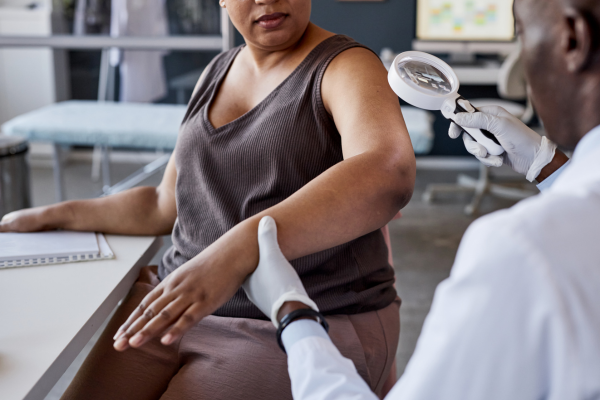
Skin health concerns look different in Georgia than they do in other parts of the country. With high humidity, long sun exposure seasons, and year-round allergens, many people experience skin conditions that require professional dermatology care. The board-certified dermatologists at Georgia Skin Cancer & Aesthetic Dermatology regularly diagnose and treat a wide range of medical and cosmetic skin conditions, helping patients protect both their skin health and overall well-being.
Acne and Acne Scarring
Acne is one of the most common reasons patients visit a dermatologist in Georgia. While often associated with teenagers, adult acne is increasingly common due to hormonal changes, stress, and environmental factors. Dermatologists treat acne using customized plans that may include topical medications, oral prescriptions, chemical peels, or advanced therapies to reduce inflammation and prevent long-term scarring. Acne scar treatment options may also be recommended to improve skin texture and confidence.
Skin Cancer and Precancerous Lesions
Georgia’s strong sun exposure makes skin cancer screenings especially important. Dermatologists routinely evaluate and treat conditions such as basal cell carcinoma, squamous cell carcinoma, melanoma, and precancerous growths like actinic keratosis. Early detection through regular skin checks allows dermatologists to treat skin cancer effectively and minimize long-term risks. Patients with a history of sunburns or frequent outdoor exposure benefit greatly from ongoing dermatologic care.
Eczema, Psoriasis, and Chronic Rashes
Chronic inflammatory skin conditions are common in Georgia’s humid climate. Eczema, psoriasis, contact dermatitis, and unexplained rashes can cause persistent itching, redness, and discomfort. Dermatologists work to identify triggers, reduce flare-ups, and restore the skin barrier using prescription treatments and long-term management strategies. Proper diagnosis is crucial, as many rashes appear similar but require distinct treatment approaches.
Rosacea and Pigment Disorders
Rosacea affects many adults and often worsens with exposure to heat, sun, and stress, which are common factors in Georgia. Dermatologists treat rosacea with targeted medications and lifestyle guidance to reduce redness and flare-ups. Pigment disorders such as melasma, sunspots, and post-inflammatory hyperpigmentation are also frequently treated, especially in patients with sun exposure or hormonal changes.
Hair Loss and Scalp Conditions
Dermatologists in Georgia also treat hair and scalp conditions, including hair thinning, alopecia, dandruff, and scalp psoriasis. Hair loss can be linked to genetics, medical conditions, or hormonal changes, and early evaluation by a dermatologist can help preserve hair growth and address underlying causes.
Warts, Moles, and Benign Growths
Skin growths such as warts, cysts, skin tags, and moles are commonly evaluated by dermatologists. While many growths are harmless, changes in size, color, or shape should always be examined by a skin specialist to rule out more serious conditions.
FAQs About Seeing a Dermatologist in Georgia
When should I see a dermatologist for a skin concern?
If a skin condition persists, worsens, changes appearance, or causes discomfort, it’s time to schedule a dermatology appointment.
Do dermatologists treat both medical and cosmetic skin issues?
Yes. Dermatologists address medical conditions like acne and skin cancer, as well as cosmetic concerns such as pigmentation and scarring.
How often should I get a skin cancer screening in Georgia?
Most dermatologists recommend a full-body skin exam once a year, or more often if you have risk factors.