Many of us have a standard routine for dry skin; we reach for a heavy moisturizer or an ointment, expecting the rough patch to smooth over within a few days. However, when a specific spot on your face, ears, or hands remains sandpaper-like despite your best efforts, it might be more than just simple dehydration.
At Georgia Skin Cancer and Aesthetic Dermatology, we frequently see patients who are concerned about persistent, scaly patches that just won’t go away. These spots are often actinic keratosis, which are common pre-cancerous lesions caused by years of cumulative sun exposure. Understanding the difference between a temporary skin irritation and a pre-cancerous growth is a vital step in maintaining your long-term health.
What Does Actinic Keratosis Look Like?
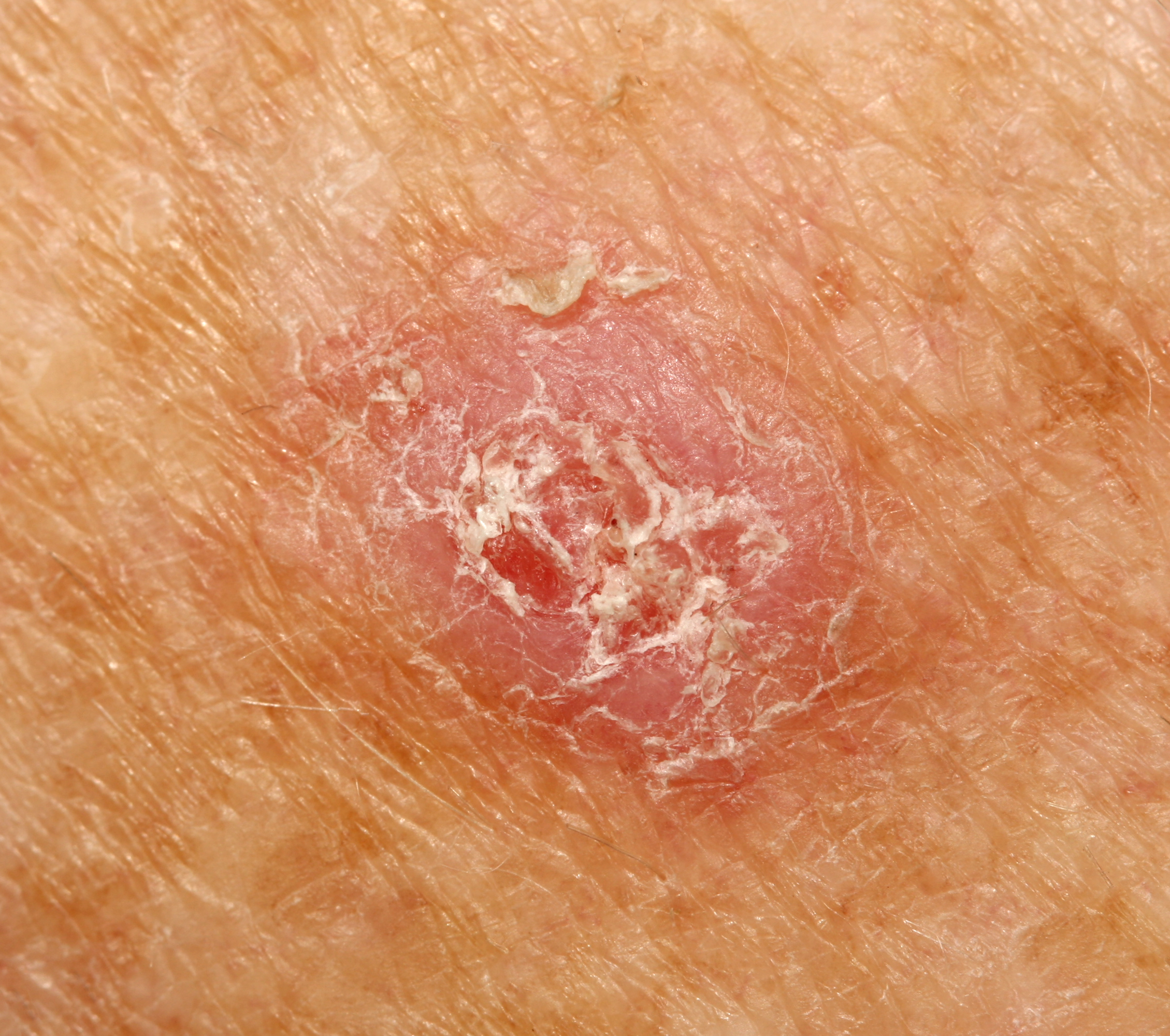
Actinic keratosis (AK) typically develops on areas of the body that have seen the most sun over the years, such as the scalp, face, neck, and the backs of the hands. These lesions often begin as small, rough spots that are sometimes easier to feel than they are to see. Many patients describe the sensation as running a finger over a patch of sandpaper.
Over time, these lesions can change in appearance. They may become slightly raised or develop a hard, wart-like surface. In terms of color, an AK can be flesh-colored, red, pink, or even brown. Because they can be itchy or tender to the touch, they are often mistaken for a common rash or a stubborn patch of winter skin.
AK vs. Dry Skin: How to Tell
Distinguishing between actinic keratosis and ordinary dry skin can be tricky without a professional evaluation. Ordinary dry skin usually responds well to consistent moisturizing and tends to affect larger, generalized areas. If you apply lotion and the roughness disappears, you are likely dealing with simple dryness.
In contrast, pre-cancerous lesions are localized and persistent. If you have a single “crusty” spot that returns in the exact same location even after you’ve exfoliated or moisturized, this is a significant red flag. While dry skin might flake off and reveal healthy tissue underneath, an AK often remains rough or even bleeds slightly if the scale is picked off. Because these lesions represent early cellular changes, they require medical attention rather than over-the-counter creams.
Why Early Treatment Prevents Squamous Cell Carcinoma
The primary concern with actinic keratosis is its potential to progress. While not every AK will turn into cancer, these lesions are considered the earliest stage in the development of squamous cell carcinoma (SCC). By identifying and treating these spots in their pre-cancerous state, we can effectively help stop skin cancer before it starts.
At Georgia Skin Cancer and Aesthetic Dermatology, we believe that proactive care is the best way to protect our community. When you visit us for a skin check, we can offer various treatment options that may help clear these lesions. Depending on your specific needs, a medical professional will ultimately decide what is going to be best for you, whether that involves cryotherapy, topical field treatments, or specialized light therapies.
Choosing to treat your skin is also a way to support a larger cause. We are proud to operate with a philanthropic heart, donating the profits from our cosmetic services to local charities that provide essential resources to those in need. When you prioritize your skin health with us, you are helping us give back to the Georgia communities we call home.
If you have noticed a persistent rough patch that hasn’t healed, it is time to have it evaluated by a professional. Book an appointment with Georgia Skin Cancer and Aesthetic Dermatology today to ensure your skin stays healthy and clear.
Image credit: // Shutterstock // Dermatology11